Learning & Accountability
Paying Attention to What Matters
When we listen carefully to families and learn from experience,
we make better decisions and strengthen the support we provide.
What We Learned from Our First Family Tracking Cycle
June 2026
Why We Started Measuring
Since our founding, No End To Love has invested in students by supporting their education. In 2022 we began our Self-Reliance Initiative and started investing in the whole family by installing solar and rain harvesting systems, garden towers, chicken coops and housing improvements. We had gathered individual success stories, but we did not have a systematic way to understand what was working best across all families.
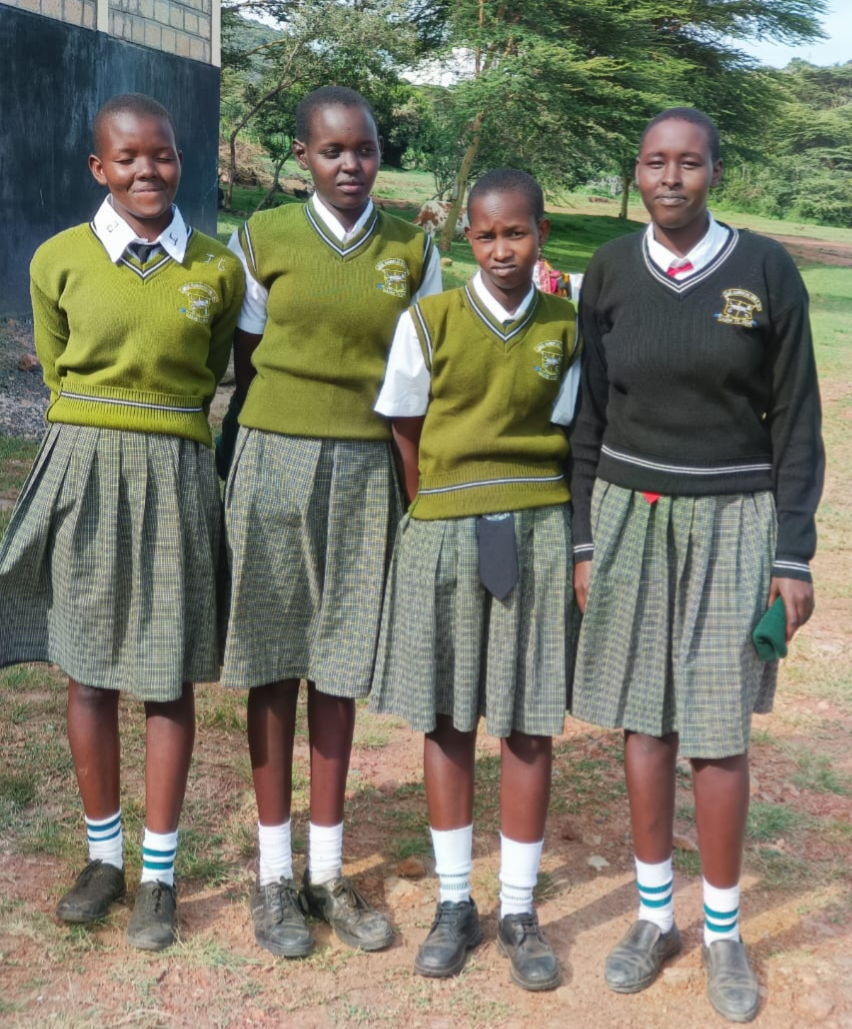
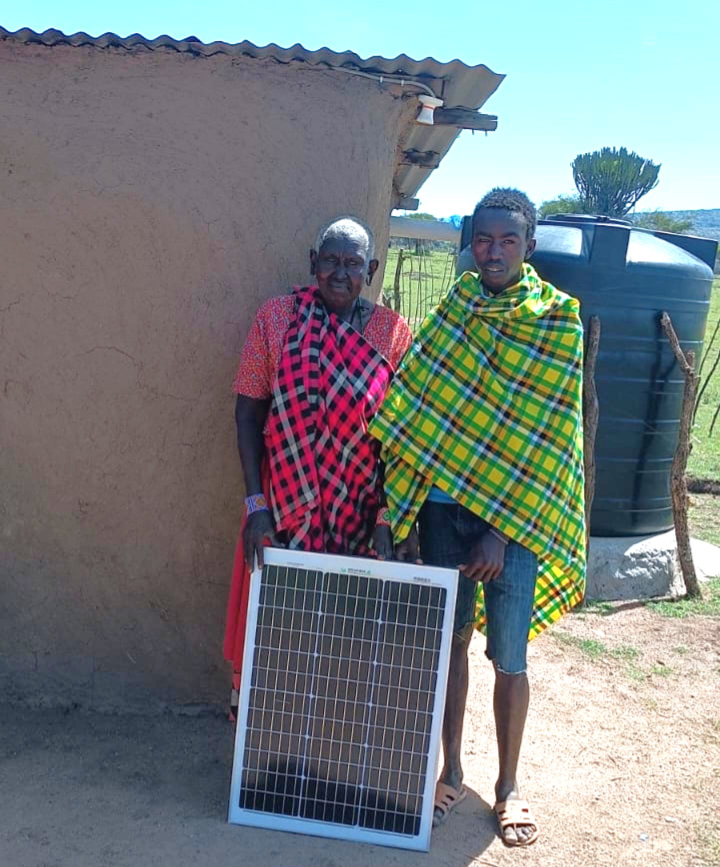
In June 2026, No End To Love completed its first structured household tracking cycle to gather consistent information across participating families in the villages of Olokeri and Rekero. This cycle will continue on a monthly basis and then be expanded to serve other families in additional areas. We thought we were helping families in certain ways. We built a system to learn whether that was true. The results surprised us and changed how we will move forward with the work.
What We Learned
The goal was not simply to collect data, but to better understand which interventions are creating meaningful change and where additional support is needed. Some of our assumptions were confirmed. Some were challenged.
Several important patterns emerged:
- Education-related needs remain one of the most consistent challenges facing families.
- Food insecurity, water access, and income generation are closely connected.
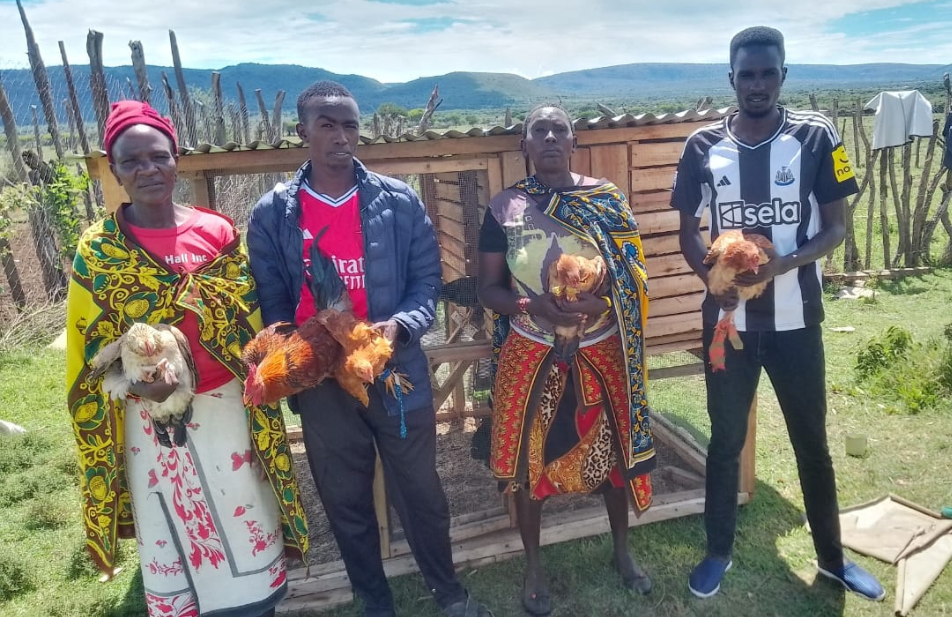
- Community chicken coops appear to be producing positive food and income outcomes for participating households.
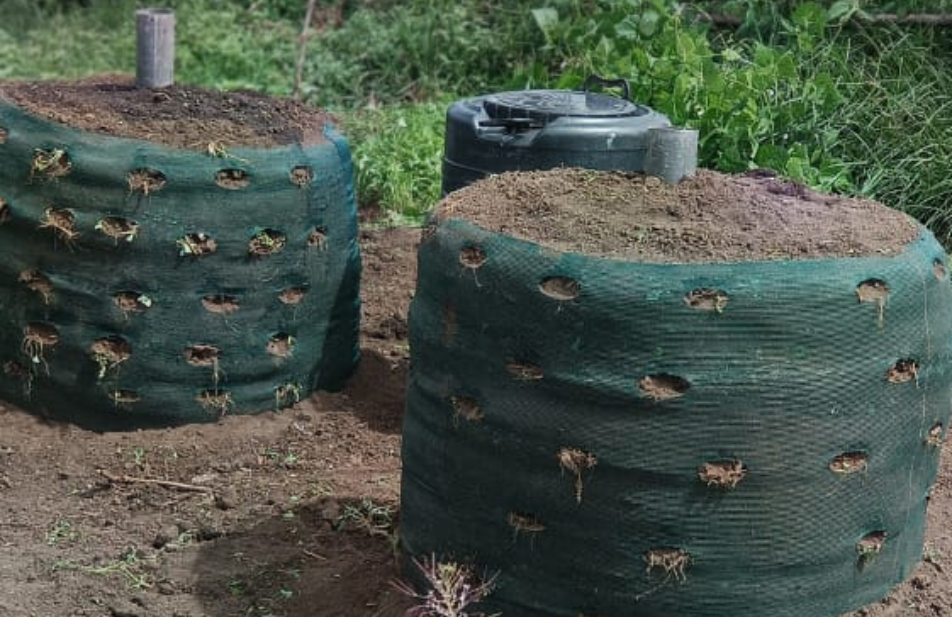
- Garden Towers showed strong initial success but require improved training, ongoing support, and consistent maintenance to sustain production over time.
- The tracking system helped distinguish between households experiencing urgent challenges, households needing additional support, and households demonstrating increasing stability.
Our Biggest Insight
Installing an intervention is not the same as sustaining an intervention.
More important than the intervention itself is education and follow-up.
How It Is Changing Our Decisions
These findings are already shaping our decisions about programming moving forward. Instead of immediately moving families into the next planned phases of livestock expansion, we will pause to strengthen what we have already built.
Rather than focusing on expanding interventions, No End To Love will place greater emphasis on strengthening implementation quality, family education, follow-up support, and outcome measurement within the households we are already working with. We will continue to learn from the data before scaling further.
Why Learning Matters
This process reflects our commitment to continuous learning, accountability, and ensuring that resources are directed where they can create the greatest long-term impact.
The greatest value of our new tracking system was not that it told us what was wrong. It showed us where to focus our efforts so that families can succeed.