Kenya Connections
Relationships Rooted in Trust
When change is built through listening, shared purpose, and long‑term presence,
relationships become the foundation for lasting self‑reliance.
The work of No End To Love is rooted in relationships—relationships with local leaders, community representatives, families, and organizations across Kenya. These connections are built on trust, shared purpose, and a deep commitment to walking alongside one another as communities grow toward self‑reliance. This page highlights some of the partners and people who make this work possible on the ground every day.
Happy Garden School
A Safe Place to Learn,
Grow, and Be Fed
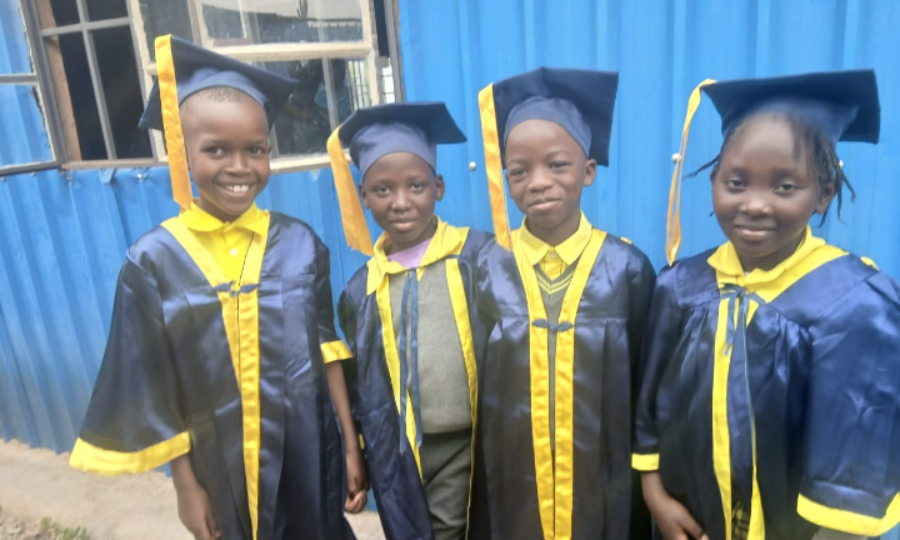
Happy Garden School, located in a slum area of Nairobi, is a lifeline for orphaned and vulnerable children from both refugee and host communities. Lydia, whose own childhood was marked by hunger and poverty, founded the school in 2021 to give children what she once needed most: education and a daily meal.
Enrollment has grown from 7 nursery children to over 70 students in six classrooms—but limited resources and funding shortfalls mean many children now learn in makeshift, unsafe, overcrowded classrooms. Early donor support helped launch the school, but funding has declined, placing its future at risk.
Happy Garden’s greatest needs are the construction of a classroom, proper bathroom facilities, and the installation of a rain-harvesting system. These improvements are essential for this fragile but vital school to continue transforming lives through education, nutrition, and holistic child development.
Through No End To Love’s partnership, Happy Garden is continuing its journey toward stability and self‑reliance, focusing on infrastructure, sustainability, and long‑term resilience. Along this journey, the school remains not just a place of learning, but a foundation for a brighter future for the children and families it serves.
"For many children, Happy Garden is their safe haven—and the meal is their only reliable source of food.”
Esther's Children's Home
A Family Built on Faith,
Food, and Fierce Love
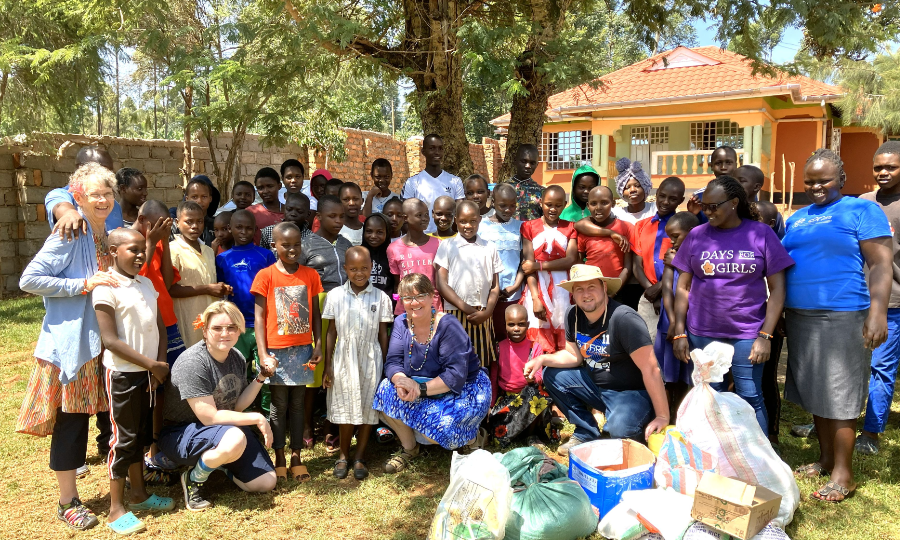
Esther’s Children’s Home is a wonderful place in Ogembo, Kenya where love never gives up. It is more than an orphanage—it is a family. Founded by Esther and now lovingly run by her son Vincent and his wife Alice, the home provides safety, stability, and care for children who have nowhere else to turn. With no government funding and no steady income, the family relies entirely on the generosity of well‑wishers.
When No End To Love met the family in 2022, food insecurity was threatening the children’s health and school performance—especially after Vincent lost his job during the pandemic.
Access to clean water through rain harvesting, newly installed solar panels for light at night, and a growing kitchen garden have strengthened the home in meaningful ways. Esther’s Children’s Home is living proof that with partnership, hard work, and dignity, families can build a sustainable and hope‑filled future.
These changes are helping the home move toward greater stability, reducing vulnerability and strengthening their ability to care for children over the long‑term.
To continue the farm initiative started in 2022, funds are needed to purchase land closer to home, as the land currently in use is too far away to be sustainable.
“Today our home has three meals a day—and the children can dream again.” — Vincent
Firmrock Agriwater Farm Sanctuary
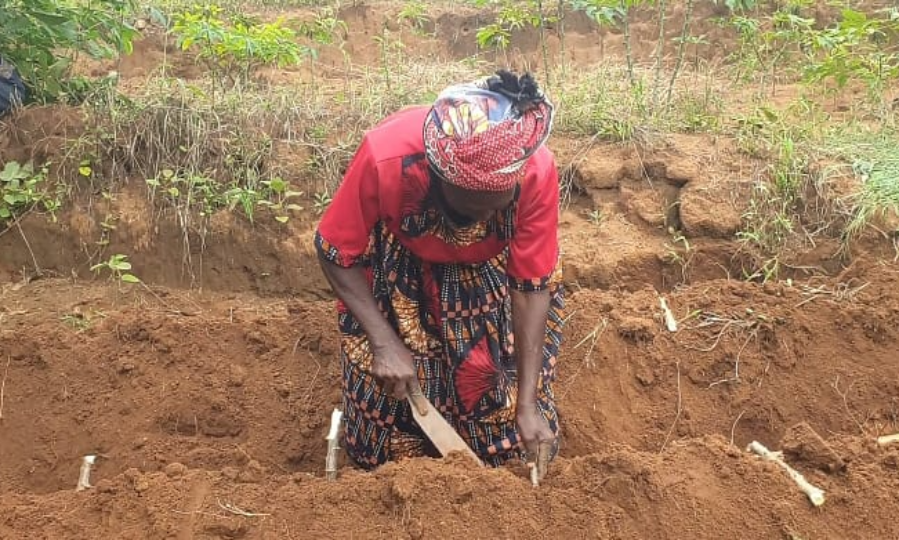
Firmrock Sanctuary Farm is more than a farm—it is a vision for renewal and resilience in drought‑affected Kitui County. Founded by Noah David, who knows firsthand what it means to grow up with limited resources, Firmrock is rooted in the belief that when communities are nourished and equipped with sustainable skills, transformation can begin.
Noah David grew up in Kitui County, where hunger and drought shaped their everyday lives. Many families, including his, turned to cutting trees for charcoal just to survive. He watched classmates drop out of school—not because they lacked ability, but because they lacked food. That pain planted a purpose in him.
Since 2017, he has been building Firmrock to help break this cycle—through regenerative farming, training, and community empowerment.
Margaret met Noah David during a May 2025 trip to Kenya after the two connected virtually and began sharing ideas and conversation. When they met in person, it was clear they shared a deep commitment to self‑reliance and community‑led change. Margaret was drawn to Noah’s passion for supporting the community he grew up in, as well as his vision and determination to see that vision become reality.
At this stage, No End To Love’s connection with Firmrock is grounded in relationship, mentorship, and the exchange of ideas. While financial support has been limited so far, we believe in Noah’s leadership and the potential of his work, and we look forward to exploring ways to walk alongside Firmrock as its vision continues to take shape.
Korara Family Care Center
Korara Family Care Center began in 2018, when Gilbert Rotich set out to build accessible healthcare for families in his community—one building, one dream at a time. His vision was deeply personal, shaped by the loss of his father as a young boy when traditional medicine failed to provide the care he needed.
Korara’s mission is to provide accessible, compassionate, and affordable medical care for underserved families, addressing physical, emotional, and social well‑being. In 2020, Jackson joined Gilbert in this vision as a new medical student, beginning his journey toward becoming a doctor.
Margaret and Heather met Jackson in Kenya in 2024 when he was part of the team demonstrating and distributing menstrual kits. With confidence and humor Jackson had a room full of teenage girls giggling as he demonstrated how the kits were worn—breaking stigma and creating space for honest conversation. At the time, he was studying at university and is now completing his medical internship,
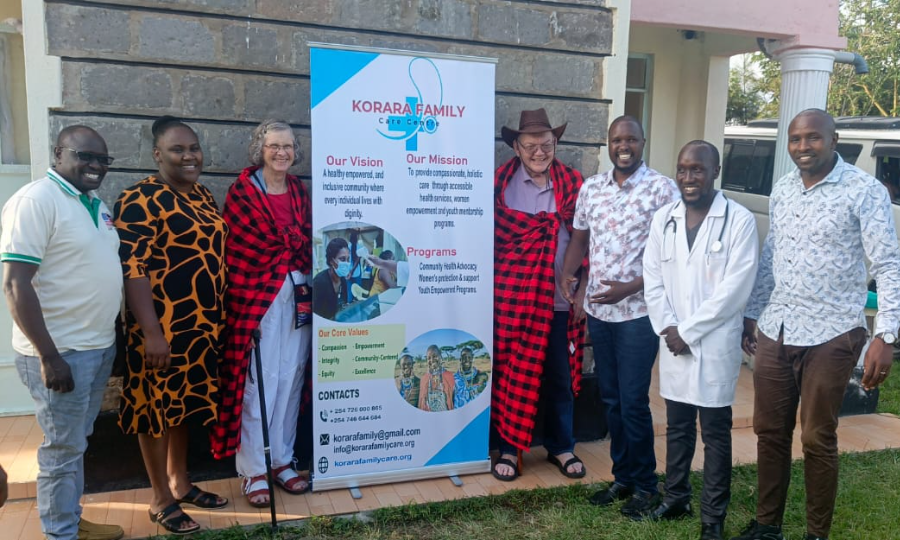
In May 2025, Margaret and Dave visited Korara Family Care Centre, where two trees were planted in their honor. No End To Love has since walked alongside Korara through mentorship and fundraising guidance, helping them share their vision with a broader audience as they work toward building a much‑needed laboratory.
While financial support has been limited so far, we believe in the leadership, commitment, and potential of the Korara team and are encouraged by the steady steps they are taking to strengthen healthcare access within their community.
The Kenyans Behind the Work
At the heart of every program are local leaders and community representatives who listen, advocate, and walk alongside families every day. These are some of the people who make hope tangible.
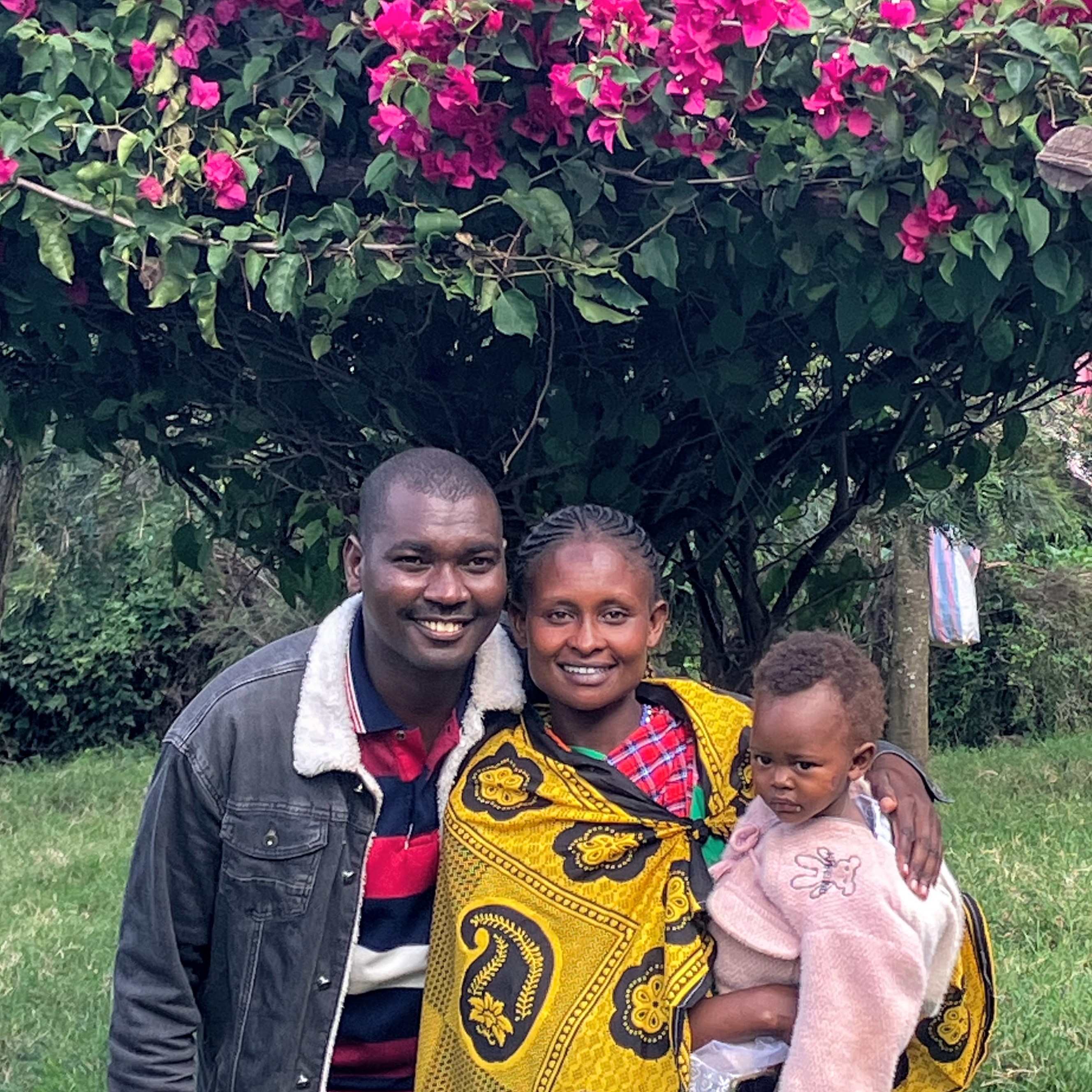
Timothy
Sikirrar Community Rep
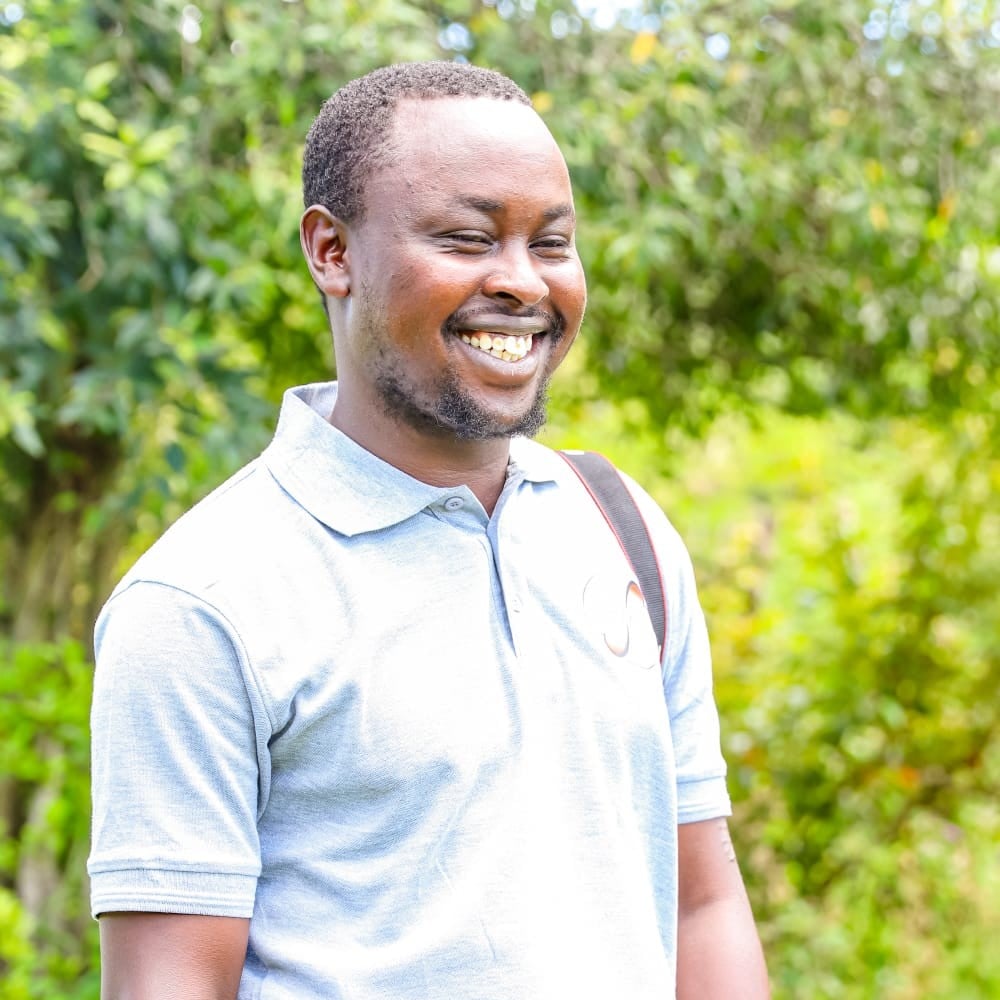
Fredrick
Olokeri/Rekero Community Rep
Fredrick, belongs to the Maasai Tribe in Kenya and lives in Rekero village, in the Maasai Mara. He graduated in 2019 from Koiyiaki Guiding School. Now known as the Wildlife Tourism College in Tour Guiding and Travel Operations. He has worked in several organizations involved in charity work including donation of sanitary pads and food stuffs. He leads the fundraising efforts for school fees for the needy students in his village. He is also involved in the conservation, mentorship program in the schools near to his village and cleaning up the trading centres in litter collection. He started working with NETL in 2022 as a Community Rep. Fred is married to his beautiful wife, Rose and they have a daughter.
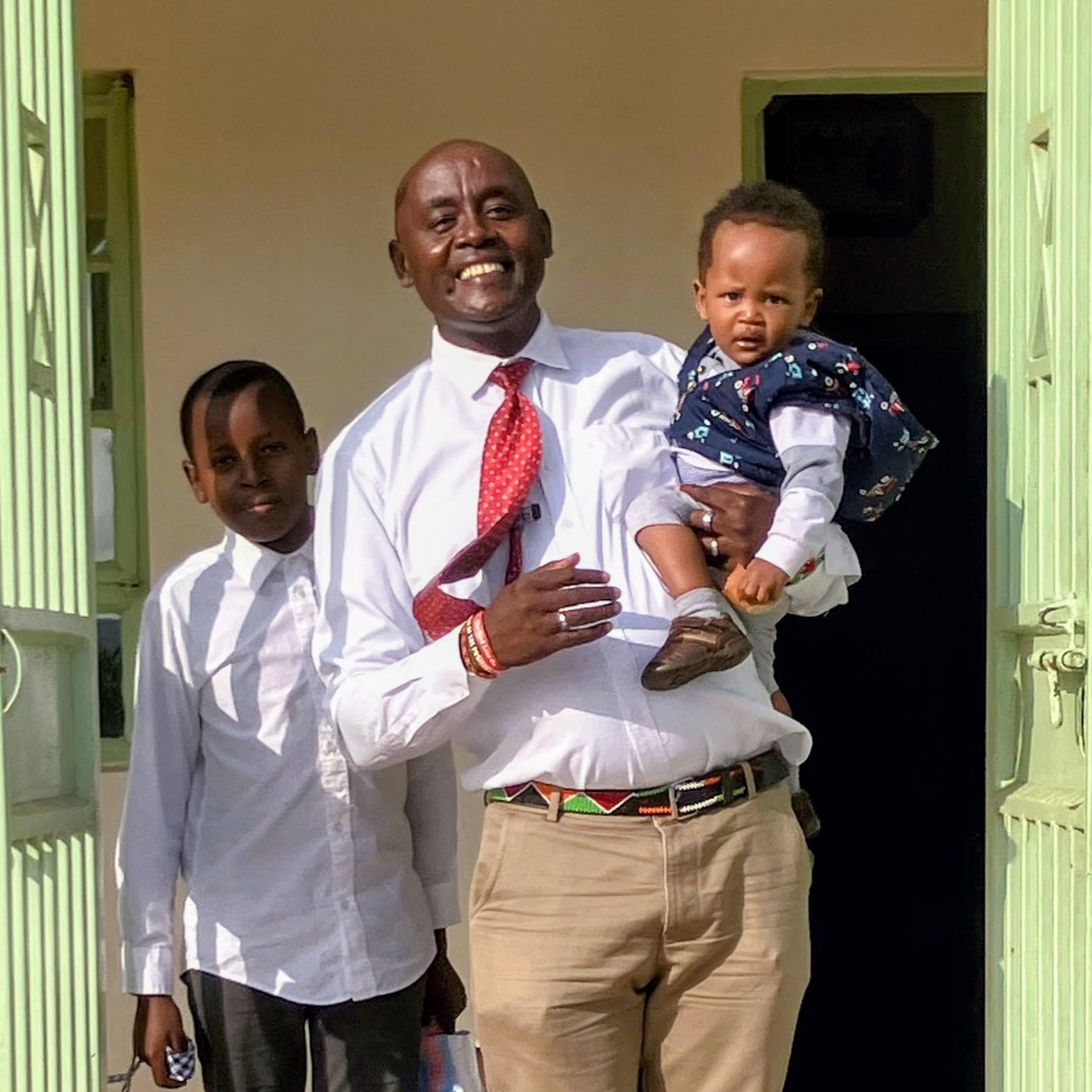
Kyalo
Guide, Driver, Mentor and Friend