The Self-Reliance Journey
A pathway toward stability, dignity, and independence
When families are given practical tools and trusted leadership,
progress becomes possible — step by step, at home, and within the community.
The Self‑Reliance Journey is a phased, home‑based program designed to help families build stability, dignity, and long‑term independence. Introduced on our Home page as a pathway of practical support, this page offers a deeper look at how each phase works together—combining resources, training, and community leadership to support families as they move from surviving to thriving.
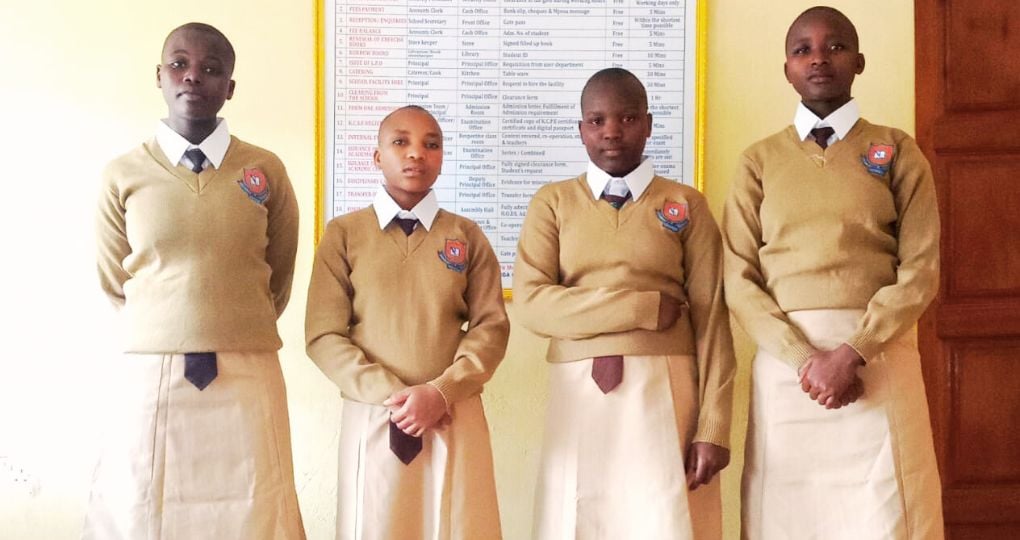
Education Support Fund
Why Education is a Priority!
Education in Kenya is deeply valued, yet for families living in daily poverty, the path to school is filled with barriers that make this essential opportunity feel just out of reach. Public schooling may be advertised as “free,” but the hidden costs—uniforms, books, exams, supplies, transportation, and in many cases boarding—quickly become overwhelming for parents who may earn less than a dollar a day. When families are already struggling to secure food, clean water, and basic necessities, even modest school fees can be impossible. Still, parents hold an unshakable hope: that their children will rise above the circumstances they were born into and step toward a future filled with possibility.
This is why education matters so profoundly. It provides stability in homes where uncertainty is a constant companion. It empowers children with knowledge, confidence, and the tools to break generational cycles of poverty. It brings dignity to families who dream of more for their sons and daughters than a life defined by hardship. And for communities where opportunities are scarce, education opens doors that would otherwise remain closed. Through school support and sponsorships, parents are able to redirect precious income toward food and other essentials, while their children gain access to classrooms that nurture resilience, curiosity, and potential. And most importantly . . . HOPE is found in families when children are able to attend school to gain knowledge and skills.
For the families we serve, education is both a starting point and a sustaining force. The Self‑Reliance Journey currently begins with families whose children are supported through our Education Assistance Fund, ensuring that stability at home reinforces success in school.
A Step‑by‑Step Journey
The Self‑Reliance Journey unfolds over time. Families move through each phase as they build skills, demonstrate readiness, and strengthen stability at home. This paced approach ensures that every resource is understood, maintained, and integrated into daily life—laying a strong foundation for lasting change.
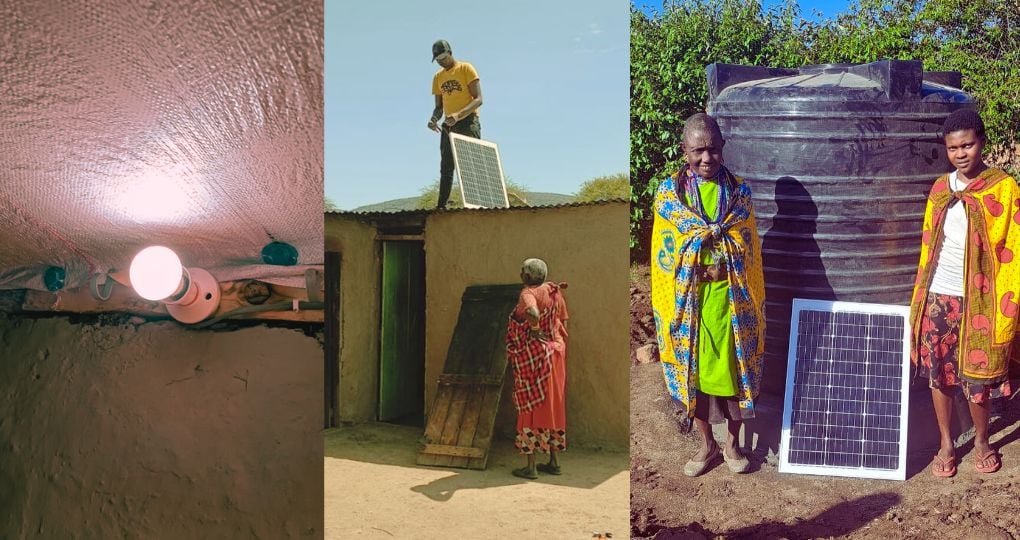
Safe Home Lighting System
The Journey Begins at Home!
Solar lighting is often one of the first steps on a family’s Self‑Reliance Journey. A safe, dependable light in the home transforms evenings—children can study after dark, families can gather safely, and daily tasks no longer end when the sun goes down.
In the Maasai communities along the C13 corridor, many families live far from the electrical grid and rely on kerosene lamps or firelight, which are costly, unsafe, and harmful to health. Solar lighting replaces these hazards with clean, reliable light, allowing families to redirect scarce income toward food, school needs, and other essentials.
For families living near wildlife conservancies, light after dark also brings increased safety. Solar reduces the risks associated with moving around homesteads at night, where wildlife often pass nearby. Inside the home, it creates a calm, smoke‑free environment where children can focus on homework and parents can manage household responsibilities with greater ease.
Solar lighting also plays an important role in easing the daily burden carried by women and older girls. With safer and more efficient evening light, household chores become quicker and less dangerous, freeing time and energy for rest, learning, or income‑generating activities.
Combined with hands‑on training and ongoing support, solar lighting is more than a household upgrade—it is a foundation for stability. It creates the conditions families need to begin building routines, confidence, and momentum as they continue forward on the Self‑Reliance Journey.
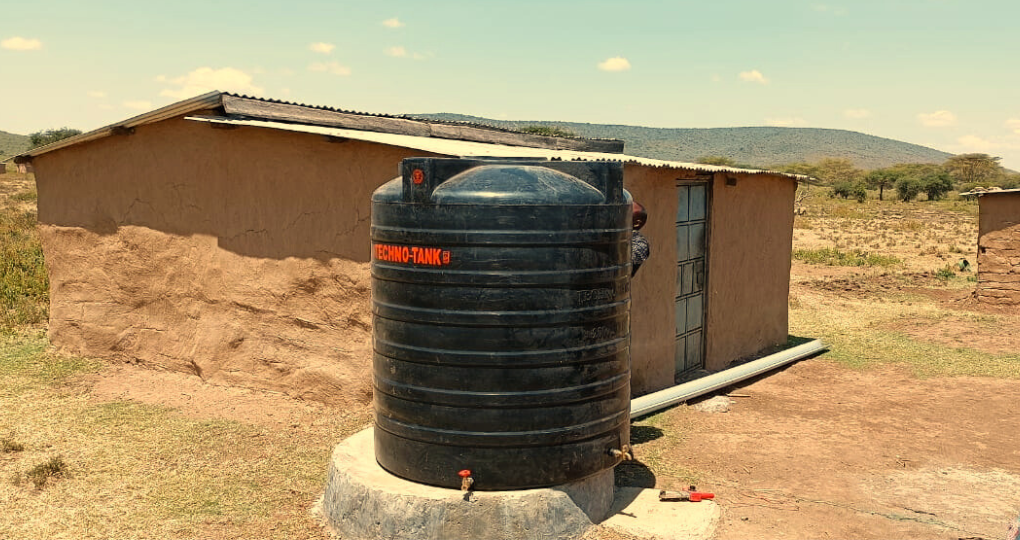
Safe Home Water System
Bringing water home—and time back—to families!
Along the C13 corridor, families may spend hours each day walking long distances to find water, often along routes shared with wildlife or through unsafe terrain. Rain harvesting systems bring water directly to the homestead, reducing those risks while freeing time and energy for school, work, and family life.
Reliable access to water also strengthens food security. With water available at home, families can care for small gardens, support livestock, and maintain basic hygiene even during dry seasons. This consistency is essential in regions where rainfall is unpredictable, and drought is a constant threat.
Just as importantly, rain harvesting restores dignity. When families are no longer dependent on distant or unreliable sources, they gain control over one of the most fundamental needs of daily life. Paired with training and community participation, these systems become a cornerstone of stability—supporting health, resilience, and progress throughout the Self‑Reliance Journey.
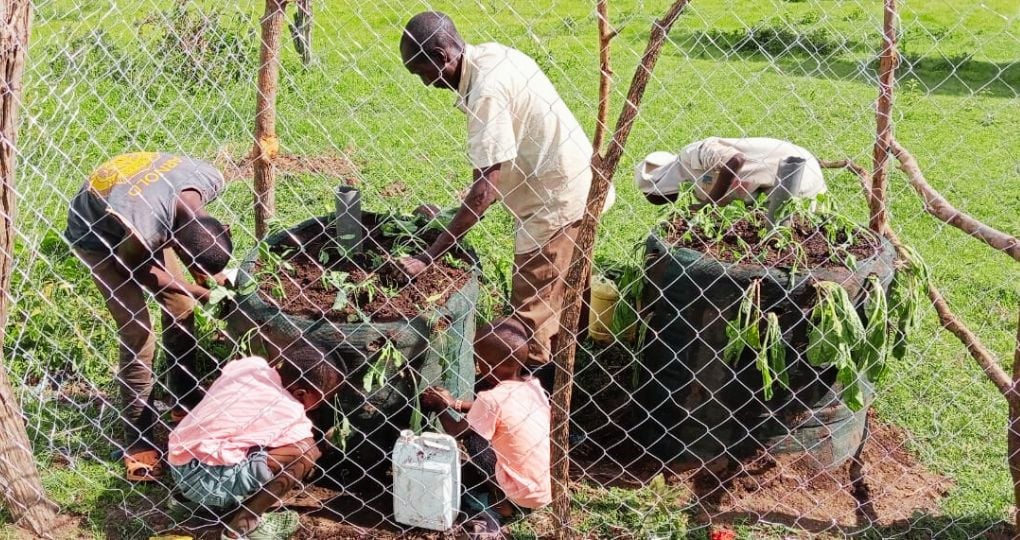
Family Food Production System
Growing nourishment, confidence, and resilience at home!
Garden towers bring fresh food within reach of families who have long depended on purchased staples or inconsistent harvests. By growing vegetables right at home, families gain daily access to nutritious food while reducing the strain on already limited household budgets.
In the Maasai communities along the C13 corridor, land and water are precious resources, and crops must often be protected from livestock and wildlife. Garden towers make the most of small spaces, require minimal water, and can be placed close to the home—where families can tend them easily and keep them safe.
Beyond nutrition, home gardens build confidence. Families learn practical skills in planting, tending, and harvesting food, and many are able to sell or share small surpluses with neighbors. These gardens become a source of pride—visible proof that with the right tools and support, families can provide for themselves.
Garden towers also strengthen resilience during difficult seasons. When food prices rise or rains are unpredictable, families with home gardens have greater stability and flexibility. Paired with training and ongoing support, these simple structures help families take another meaningful step forward on the Self‑Reliance Journey—rooted in nourishment, dignity, and possibility.
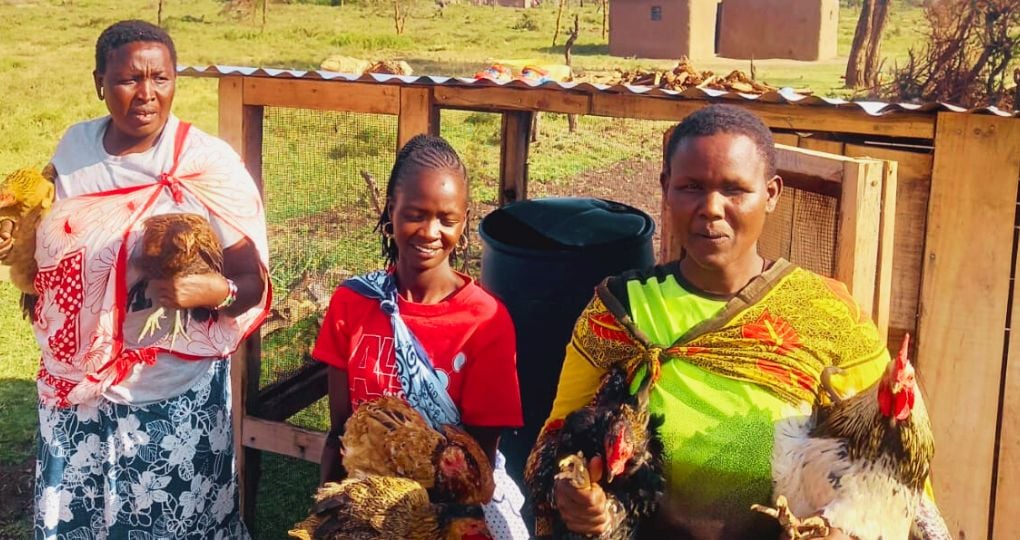
Community Poultry & Protein Production System
Building nourishment, income, and shared responsibility!
Chicken coops mark an important turning point in the Self‑Reliance Journey—when families begin not only meeting their own needs, but generating surplus they can trade, sell, or reinvest. Eggs provide a reliable source of protein for growing children, while poultry sales create steady, manageable income for households.
In both agricultural areas and wildlife‑adjacent communities, chickens are a practical and culturally familiar livelihood. Secure coops protect birds from predators and disease, while training in feeding, hygiene, and basic veterinary care helps families manage poultry sustainably and confidently.
Chicken coops also strengthen cooperation within communities. In many areas, coops are managed as small community cooperatives, encouraging shared responsibility, problem‑solving, and collective decision‑making. These relationships reinforce trust and resilience beyond the household level.
Perhaps most importantly, poultry offers flexibility. Income from eggs or chickens can be used to purchase food during lean seasons, pay school‑related expenses, or cover basic household needs. Step by step, families move from dependence toward stability—building skills, confidence, and momentum as they continue forward on the Self‑Reliance Journey.
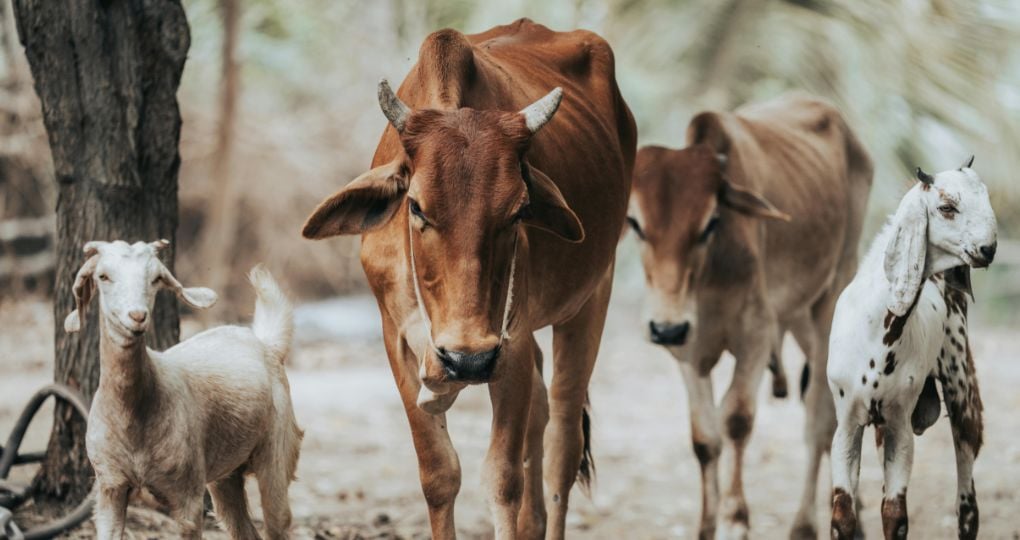
Family Livestock & Income Generation System
Building long‑term stability, dignity, and generational resilience!
Livestock represent one of the most significant steps on the Self‑Reliance Journey. For many families, goats and cows are not only sources of nutrition—they are long‑term assets that provide security, income, and the ability to plan for the future.
In Maasai communities, livestock carry deep cultural and economic meaning. Milk improves family nutrition, especially for children, while surplus can be sold or shared within the community. Over time, healthy animals multiply, creating a growing resource that families can draw on during emergencies, school fee seasons, or periods of drought.
Caring for livestock also strengthens skills and responsibility. Through training in animal health, feeding, and basic herd management, families build confidence in caring for assets that will serve them for years to come. When paired with earlier steps in the journey—such as rain harvesting and food production—livestock become more sustainable and resilient, even in challenging environments.
Perhaps most importantly, livestock create a sense of permanence. They allow families to move beyond short‑term survival and begin building something lasting. As herds grow and knowledge deepens, families gain the stability needed to invest in education, health, and community—laying a foundation for self‑reliance that can extend across generations.
Walk With Us!
Receive our newsletter and stay connected to the work unfolding in Kenya.
You can unsubscribe at any time.
Thank you for joining our community.
We’re grateful you’re here and look forward to staying connected as our work continues to unfold in Kenya.